PennFuture Blog
Our Perspectives on the Latest Issues
What is the D.C. Water Crisis...and Can it Happen in Philly?
Washington, D.C and neighboring states have a major environmental disaster and a collapse in public trust after more than 200 million gallons of raw wastewater flowed into the Potomac River in January. This is one of the largest sewage spills in U.S. history, resulting in extremely high levels of E. coli and other disease-causing pathogens entering the river.
When PennFuture heard about this, we immediately thought of Philadelphia and the risks the city faces having similar water infrastructure and challenges managing stormwater and sewage in a combined system.
This blog will break down the sewage spill crisis in and around Maryland, Virginia, and Washington D.C and how it acts as a warning for Philly.
What Caused the Potomac River Sewage Spill
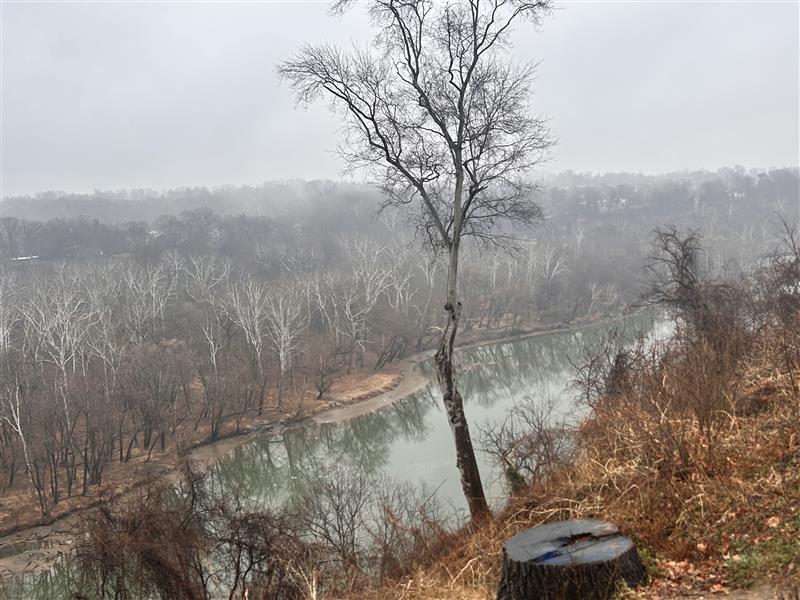 On January 19, 2026, a section of the Potomac Interceptor Sewer Line (PI) in Maryland collapsed and hemorrhaged more than 240 million gallons of untreated wastewater (sewage) into the Potomac River. The pipe is maintained by DC Water and moves wastewater daily from Dulles International Airport, through Virginia and Maryland, to the Blue Plains plant in D.C.
The PI was constructed in the 1960s and repairs are estimated to take 9 months to complete. Sewage is being diverted into a canal to protect the river.
So, how big was this disaster?
To put it in perspective, the Potomac River sewage spill released far more pollution than some of the most infamous U.S. environmental disasters (the Deepwater Horizon spill was 134 million gallons of oil). According to official reports, the Potomac spill was immediately considered “one of the largest wastewater spills in the nation’s history.”
In short:
- Approximately 240 million gallons of raw sewage entering a major river system is an enormous ecological catastrophe, negatively impacting the health of people and wildlife.
- Advisories were sent out to communities along the Potomac to stay out of the water and avoid fishing as testing of the waters needed to be done and the sewage needed to be redirected. These residents are now dealing with polluted water, recreation closures, and long-term environmental impacts. These are all reminders of just how serious infrastructure failures can become, and how much time, resources, and money are needed to address the problem.
D.C. has now lifted its advisory urging people to stay out of the Potomac River. The immediate spill has been contained thanks to an emergency fix, but not before dangerously high levels of E. coli and other harmful bacteria washed downstream and entered D.C.’s waters.
Impact of the Spill and Current Status
Environmental & Health Impacts
- Massive bacterial contamination: Early testing found E. coli levels tens of thousands of times above safe limits, along with other harmful bacteria like staphylococcus aureus. Importantly, drinking water in these communities was not impacted.
- Unsafe for recreation: For weeks, officials warned the public to avoid touching the water, especially near the spill site. Fishing, boating, and shoreline activities were advised against in D.C. waters. This warning has since been lifted.
- Aquatic life has been impacted; sewage pollution is detrimental to the plants and animal species that live in the Potomac. The excess nitrogen the sewage brought to the river creates toxic algae blooms, which reduces oxygen levels for fish and wildlife.
Recent Developments
- Bacteria levels have dropped in D.C. waters: After daily testing, E. coli levels returned to the normal range in late February, almost a month after the spill.
- Recreation advisory lifted in D.C. on March 2: Officials have now lifted the warning for boating and fishing within D.C. waters.
- Testing expanded: D.C.’s Department of Energy & Environment is increasing to daily bacteria testing, supported by the EPA, to monitor ongoing risks following the spill.
Cleanup & Repair Efforts
- DC Water has built a set of pumps (a “bypass pumping system”) that suction and reroute spilled wastewater from around the collapsed pipe segment.
- Repair timeline: Work is ongoing, with emergency repairs expected to be complete by mid-March. Longterm repair of the aging pipeline could take up to 10 years and cost $625 million.
Could something like this happen in Philadelphia?
Unfortunately, the answer is yes. Philadelphia, like DC, relies on aging sewer infrastructure, and we face many of the same potential problems. A major break or overflow event could lead to widespread contamination in the Delaware or Schuylkill River, just as the Potomac experienced. In short: Yes, we should absolutely be concerned. But we can do something with that concern by taking steps now to prevent a similar crisis.
Comparison of D.C and Philadelphia’s Wastewater Systems
Both Washington, D.C., and Philadelphia rely heavily on combined sewer systems (CSSs), where wastewater and stormwater share the same pipes. In both cities, stormwater flowing from streets, rooftops, and businesses enter drains and mixes with sewage from homes and commercial properties, carried through a single pipe to a wastewater treatment plant. This design, common in older East Coast cities, worked adequately when rainfall was lighter, and urban areas were smaller and less populated. Philadelphia’s wastewater system was first constructed in the 1800s and was updated in the 1950s.
In both D.C. and Philadelphia, we see the system becomes overwhelmed during heavy storms. When rainfall exceeds the system’s capacity, the combined flow is forced to bypass treatment facilities and discharge directly into nearby waterways, an event known as a combined sewer overflow (CSO). In D.C., this means untreated sewage enters the Potomac and Anacostia Rivers. In Philadelphia, there are CSO outfalls scattered around the city and CSOs can go directly into the Delaware River, the Schuylkill River, and smaller creeks and waters throughout the city.
These systems were built for a different time, before water contamination and waterborne illness had been studied and understood as a public health threat. On top of that, there was less water to manage: cities were smaller, had less people to serve, and high temperatures or heavy rainstorms were less common. Today, things look very different. Cities are denser and larger, with less green space and more impervious surfaces, creating more water that runs off into the pipe system. On top of that, storms are more intense because of changing climate. Environmental factors, like higher temperatures and more storms, create more strain on combined systems in need of modernization. All of this means that storms can overwhelm these old systems. When the system can’t handle the extra water, it overflows, and that’s when sewage ends up in our waterways and sometimes even in our streets and basements. Importantly, we now know that we cannot dilute our way out of bacterial contamination, and we know that our environment continues to change, and the strain that brings will continue to worsen.
In short, Philadelphia is dealing with many of the same challenges as D.C.: aging infrastructure, heavier rainfall, and a sewer system that simply wasn’t built for today’s conditions.
Let’s Break Down Philadelphia’s Current Wastewater System
The Threat of Combined Sewer Overflows (CSOs)
Philadelphia’s water system uses a combined sewer system (CSS) in about 60% of the city. This design for wastewater treatment was very intentional when implemented, to avoid flooding in homes and neighborhoods.
Aging Infrastructure
Much of Pennsylvania’s stormwater infrastructure is 50–75 years old, well past its intended lifespan.
As these systems deteriorate, they’re causing:
- Drainage pipe failures, which cause sinkholes in the road
- Smaller capacity of stormwater basins (man-made structures built to catch and hold stormwater). These basins get smaller when they age due to maintenance needs, environmental conditions, and general wear and tear, over time they have less capacity to hold water.
- Rising maintenance costs due to failing infrastructure
Urban Growth & Increasing Impervious Surfaces
As the city continues to grow, much of its land is now covered by impervious surfaces like concrete, which prevent water from naturally absorbing into the ground. Water resistant architecture such as pavement, roads, and parking lots force water to travel until it can be absorbed or deposited into natural waterways. This runoff collects everything in its path, transporting pollutants with it. With less natural water absorption (also termed “groundwater recharge”) in urban areas like Philadelphia, even moderate storms can push drainage systems past capacity. Additionally, rising temperatures and increased frequency of extreme weather events exacerbate the strain on aging water infrastructure.
- Larger volumes of stormwater overwhelming drainage networks
- Increased flashflood frequency
- Reduced groundwater recharge (when soil absorbs water naturally back into the ground)
What PennFuture is Doing on Clean Water Advocacy in Philadelphia
So, the big question is: What can Philadelphia do to stop sewage from ending up in our rivers? And just as important: How is PennFuture supporting neighborhoods that experience the worst flooding and sewer problems?
A major challenge in addressing combined sewer overflows is funding. PennFuture is working to change that. We’re pushing for investments that will help the city:
- BUILD and expand projects that can better manage stormwater
- REDUCE sewer overflows during big storms
- PREVENT pollution from reaching the Delaware and Schuylkill Rivers
- PROTECT people living in the areas most affected by flooding
Many communities that face the highest flood risks, often lower‑income neighborhoods or areas near waterways, have been dealing with these problems for years. They deserve cleaner water, safer streets, and infrastructure that protects their homes and health. That’s why PennFuture is fighting to make sure funding, and improvements reach the neighborhoods that need them most.
Funding Options for Reducing Combined Sewage Overflows (CSOs)
Repairing and upgrading wastewater infrastructure is extremely expensive, especially in a large city like Philadelphia, where the system serves more than 1.5 million people. That’s why PennFuture and its partners are working to identify ways to bring more money into the city to support much needed stormwater management projects.
At the state and federal levels, one of the biggest sources of funding is the Clean Water State Revolving Fund (SRF), a program run through the U.S. Environmental Protection Agency (EPA). These funds are set aside specifically for water quality projects, including improvements to wastewater and stormwater systems. The state revolving fund is set up to be self-sustaining: some of the money it gives out as grants, but a lot of it is done as low-interest loans. That does two things: 1. Makes sure cities and townships can access funding at lower interest rates than they could get otherwise, and 2. Makes sure that the money comes back to the government, so it can then be reinvested in other water infrastructure improvements. Because water is interconnected, a benefit in one place will benefit others downstream, so these public dollars ultimately will benefit all of us. We’ll get into this a little farther down.
Local governments like Philadelphia can apply for this funding, but the money doesn’t come directly from the federal government. Instead, it moves through several levels of government. Don’t worry, we’ll explain. Here’s how it works:
- Federal Level: Under the federal Clean Water Act, the EPA provides funding to states for their Clean Water SRF programs. These dollars are intended to support projects that protect public health, improve water quality, and help cities comply with federal wastewater regulations.
- State Level: In Pennsylvania, the SRF money is managed jointly by the Pennsylvania Department of Environmental Protection (DEP) and PENNVEST (the Pennsylvania Infrastructure Investment Authority). These agencies decide which projects receive funding and distribute the federal dollars throughout the state.
- City Level: From there, city agencies, including the Philadelphia Water Department (PWD), can apply for funding for eligible projects, such as stormwater upgrades, green infrastructure installations, sewer repairs, and other improvements that reduce overflow risks. In Philadelphia, PWD has already done a lot of work to secure this type of funding from PENNVEST.
State Revolving Funds
You might be wondering: why isn’t Philadelphia already using State Revolving Funds (SRFs) for stormwater management projects? The answer comes down to how these funds are structured. SRFs aren’t just one pot of money, they include several different types of financial support, each with different requirements. Here are the main ones:
- Loans: Cities receive funding but must pay back the full amount, usually with low interest. For major projects, this can still mean taking on huge debt.
- Principal Forgiveness: The city only repays the interest, not the original amount borrowed. This drastically reduces the financial burden and makes large water infrastructure projects far more manageable.
- Grants: The city doesn’t pay anything back. Grants are ideal, but also extremely limited and highly competitive.
For Philadelphia, largescale stormwater upgrades are expensive to the tune of tens of millions of dollars, and taking millions of dollars in new debt could really hurt the city’s ability to take care of other basic needs. That’s why PennFuture has turned its focus on principal forgiveness as the best pathway to large-scale stormwater management upgrades. Principle Forgiveness significantly reduces cost without requiring the city to shoulder overwhelming long-term debt.
PennFuture and our project partners have been working closely with the Philadelphia Water Department (PWD), state and city lawmakers, and state agencies like DEP and PENNVEST to make sure Philadelphia can apply for and receive principal-forgiveness funding. We’re also pushing to make sure that once the city secures these funds, they’re used effectively, especially for stormwater projects that protect communities most affected by flooding and sewer overflows.
Overall, Philadelphia needs more affordable funding to fix its aging sewer system, and PennFuture is working at every level of government to secure it.
What Types of Projects Can SRF Funds Support for Stormwater Management?
Cities like Philadelphia have a few major approaches to reduce flooding, preventing sewer overflows, and keeping polluted runoff out of local rivers. These solutions generally fall into two categories: centralized (grey) infrastructure and distributed (green) stormwater infrastructure.
Centralized Stormwater Infrastructure (also known as grey stormwater infrastructure)
Grey stormwater infrastructure relies on large, traditional, pipe-based systems to store and move stormwater. This includes:
- Giant underground storage tunnels
- Oversized pipes
- Large holding tanks
These systems can store huge amounts of stormwater during major rainstorms before sending it to treatment facilities. However, there are significant downsides:
- Extremely expensive to build and maintain
- Highly disruptive construction would require digging up major parts of the city
- Slow to complete, often taking decades
- Not flexible as climate change causes storms to intensify
Imagine tearing up downtown Philadelphia to pull out old pipes and replace them with bigger ones. It would take years, cost millions, and severely disrupt traffic patterns and daily life. Large gray infrastructure projects can work, as seen in Washington, D.C.’s multibillion dollar tunnel system, but they are massive undertakings. Philadelphia has not based its approach solely on grey infrastructure, but has instead chosen a more flexible, adaptable, and less expensive hybrid approach.
Distributed (Green) Stormwater Infrastructure (GSI)
Distributed or Green stormwater infrastructure offers a different, more distributed approach. Instead of moving stormwater through a few big pipes, GSI uses many small systems spread across the city to soak up, slow down, or store water before it reaches the sewer system.
In urban areas full of impervious surfaces, water rushes into drains and overwhelms the system. GSI solves that by mimicking nature using plants, soil, stone, and engineered materials.
Here are common types of GSI:
- Rain Gardens: Vegetated areas that collect runoff from nearby hard surfaces and allow them to slowly soak into the ground. They often use hardy native plants that can handle both wet and dry conditions.
- Green Roofs: Layers of soil and vegetation installed on roofs. They capture and store rainwater, slow runoff, and reduce the heat absorbed by buildings.
- Rain Barrels: Small tanks attached to downspouts that collect rainwater from rooftops. The stored water can be used later for gardening or outdoor cleaning.
- Drainage Wells: Structures that channel stormwater underground, allowing it to infiltrate into the surrounding soil instead of entering the sewer.
- Permeable Pavement: Special pavement that lets water pass through it rather than run off the surface. Beneath it is a stone reservoir that temporarily stores the water.
Beyond managing stormwater, GSI offers major environmental and community benefits, such as:
- Reducing air pollution
- Cooling neighborhoods by mitigating urban heat islands
- Creating new green spaces
- Improving biodiversity
- Enhancing community aesthetics
- Providing local jobs in installation and maintenance
These added benefits make GSI especially valuable for neighborhoods that lack green space and face higher flood risk. Let’s dig into what more GSI looks like in Philadelphia, and what PennFuture is doing to support it.
Citywide Investment in Green Stormwater Infrastructure
PennFuture and our project partners have been working closely with the Philadelphia Water Department (PWD) and the City to remove the policy barriers that make it difficult to invest in green stormwater infrastructure (GSI) on private properties, since much of our public space for GSI has already been used for stormwater projects. At the same time, we are focused on making sure the City meets its legal responsibilities to provide clean water under both the federal Clean Water Act and the state Clean Streams Law.
Although PWD and the City remain publicly committed to GSI, they have expressed concerns that public enthusiasm has declined since the Green City, Clean Waters (GCCW) program was first launched. That perception has made City leaders hesitant to take the steps needed to secure long-term, reliable funding for GSI.
However, we know Philadelphians still care deeply about local green space, cleaner neighborhoods, cleaner water to drink and play around, and solutions that reduce flooding. The project team plans to build on this strong foundation with a public facing advocacy campaign. The goal is to energize Philadelphians, especially property owners and GSI developers, about the benefits of expanding the GSI incentives program.
GSI also offers a major advantage: while planning and building largescale grey infrastructure can take many years, GSI can be deployed quickly, bringing immediate relief to communities facing repeated flooding and sewer overflows. Together, GSI and long-term grey upgrades will create a hybrid stormwater system that helps prepare Philadelphia for a wetter, more unpredictable climate.
PennFuture’s Water Work in Harrisburg
Lastly, along with local Philadelphia work, PennFuture also is actively advocating for two bills currently in the Pennsylvania General Assembly that would provide more flexibility for smaller municipalities to adopt stormwater fees to better fund projects to modernize their own aging water infrastructure and better account for warmer, wetter weather. Here’s what they are:
What would These Bills Accomplish?
Under current Pennsylvania law, not all municipalities have equal stormwater authority. Most municipalities must create a dedicated stormwater management authority if they want to collect fees to build or operate stormwater systems. While this is one option, it can also be a difficult task to achieve. Setting up a new authority can be costly, complicated, and slow, which can further delay important infrastructure projects. House Bills 990 and 991 aim to make this process easier by giving municipalities an optional tool: the ability to charge a stormwater management fee to properties that have impervious surfaces. This relieves the municipality from having to form a stormwater authority. HB990 would extend this option to boroughs, incorporated towns, and third‑class cities, while HB991 would provide the same flexibility to first‑class townships. By allowing municipalities to collect these fees directly, the bills would create a more reliable and sustainable funding source for improving infrastructure, maintaining existing systems, and investing in innovative stormwater solutions.
 In Conclusion
What happened in D.C. was a wakeup call, plain and simple. It showed just how fast things can go wrong when critical infrastructure doesn’t get the investment it needs.
This is exactly why PennFuture is fighting for increased funding to protect and modernize our wastewater systems. These systems are the backbone of public health, environmental safety, and quality of everyday life. The cleaner waterways Americans enjoy today are a direct result of our Clean Water Act and Clean Streams Law—something that other countries don’t have, and it shows. But today, too many of our stormwater management systems are still aging, overstressed, and long overdue for upgrades. Without real investment, the risks only grow.
We’re fighting for stronger protection, smarter planning, and the resources communities need to prevent failures before they happen. This isn’t just a technical issue, it’s about our families, our neighborhoods, and the future we’re building together.
PennFuture is not slowing down. We’ll keep advocating for modernization of our water systems until every community in Pennsylvania has the resilient, well-funded wastewater infrastructure it needs to stay safe, healthy, and prepared for whatever comes next.

BLOG SEARCH
LATEST BLOG POSTS
TAG CLOUD
Get the Latest onOur PennFuture
Sign up for email updates on the latest news, events, and opportunities to make a difference.